


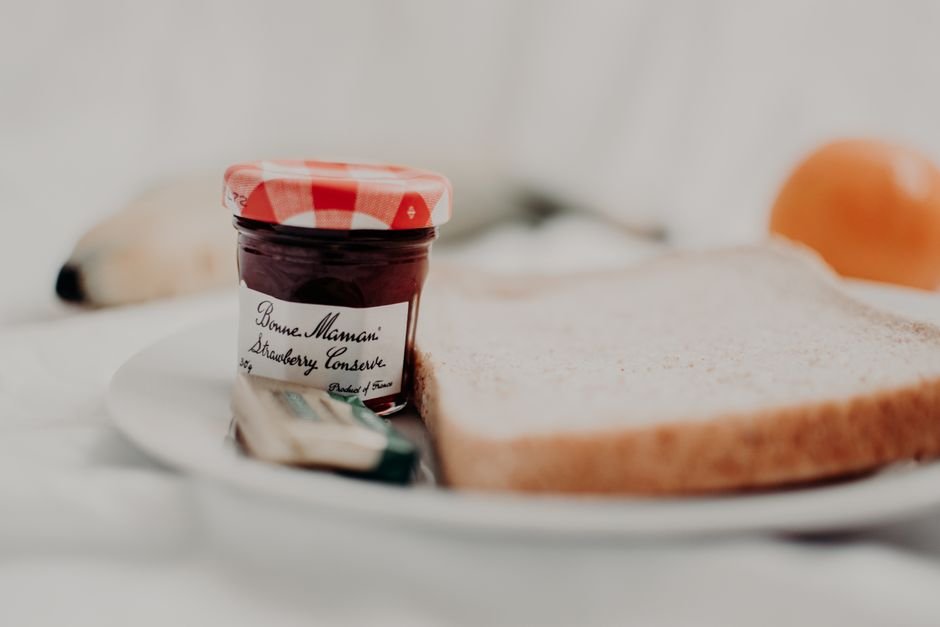
You go to grab your usual jar of Polaner All Fruit, and it’s gone. Not just out of stock — the shelf tag is gone too. You check online and see “unavailable” or “discontinued.” So what’s going on?
This article covers what we actually know: whether Polaner All Fruit is officially discontinued, why it may be harder to find, what a recent lawsuit over the “All Fruit” label means, and what to buy or make if you can’t track it down anymore.
Polaner All Fruit Has Not Been Officially Discontinued — But It’s Complicated
Let’s be direct: B&G Foods, which owns the Polaner brand, has not issued a public, brand-wide announcement that the entire All Fruit line is permanently discontinued. No major news source or trade publication has confirmed a full national shutdown of the line either.
But that doesn’t mean everything is fine. What shoppers are running into is likely a mix of store-level delistings, regional distribution cuts, and specific flavor discontinuations. That’s different from the whole product line being gone forever — but it still means you can’t find it, which feels the same.
Here’s something worth knowing: when a grocery store’s app or system marks a product as “discontinued,” that usually means that store stopped carrying it. It doesn’t necessarily mean the manufacturer stopped making it.
If you want a straight answer, the best move is to contact B&G Foods customer service directly or check the Polaner brand page for current product availability. Don’t rely only on what a store’s app says.
What Polaner All Fruit Is and Why People Care So Much
Polaner is an American brand with a long history. Max and Lena Polaner founded it in Newark, New Jersey, in the late 19th century. B&G Foods acquired the brand in 1999 and has owned it since.
The All Fruit line stands apart from regular jams because it’s sweetened with fruit juice rather than refined sugar. It has no high fructose corn syrup and no artificial colors or flavors — at least based on how the product has traditionally been marketed. If you’re buying it right now, check the current label yourself to confirm those specifics.
For health-conscious shoppers who wanted something closer to actual fruit rather than sugar-laden jam, this product filled a real need. Many people grew up with it. That’s why when it disappears from a shelf with no explanation, it feels like a bigger deal than losing some random grocery item.
Why Products Like This Disappear Without Any Announcement
The grocery business works in ways most shoppers never see. Shelf space is limited, and retailers constantly make decisions about what stays and what goes.
This process is called SKU rationalization. A store or manufacturer trims the number of product variants to focus on what sells best. Think of a small bookshelf: if you add new books, something already there has to come out — even if that book is still being printed elsewhere.
Retailers will delist a product when it sells too slowly, when a private-label version takes its spot, or when a better-selling brand offers a similar product. From the store’s view, it’s just a business decision. From your view, your favorite spread is just gone.
From B&G Foods’ side, the company manages a large portfolio — Green Giant, Ortega, Cream of Wheat, and many others. Large food companies regularly focus production on higher-margin products, especially when supply chain costs are high. Since 2020, many food manufacturers have cut slower-selling items to simplify operations and reduce costs. This is a broad industry trend, not a Polaner-specific confirmed decision — but it’s a reasonable part of the picture.
The “All Fruit” Labeling Lawsuit and What It Actually Means
There’s a legal angle to this story that’s worth understanding clearly.
A New York consumer filed a class action lawsuit against B&G Foods, arguing that Polaner All Fruit spreads are deceptively labeled. The core claim: the name “All Fruit” implies the product is made entirely from fruit, but the ingredients list includes citric acid and natural flavors — which the plaintiff argues are not fruit-derived.
The lawsuit says the plaintiff paid a price premium because she believed the product was made entirely from fruit ingredients. A court declined to dismiss the case at an early stage, which means a judge found the allegations plausible enough to let it move forward. That’s not a ruling that B&G did something wrong — it just means the case gets to continue.
What Does “All Fruit” Actually Mean on a Label?
This is where things get genuinely murky. The FDA doesn’t have a specific, formal definition for the phrase “All Fruit.” So the legal debate comes down to what a reasonable consumer would understand that phrase to mean.
Here’s an example of the confusion: imagine a label that reads “All Fruit Berry Spread” with an ingredients list of fruit, fruit juice concentrate, citric acid, natural flavor, and pectin. A shopper might read “All Fruit” and assume every ingredient comes from fruit. The company might argue they mean “fruit-based spread” and that additives like citric acid are standard in the industry.
Citric acid is widely used in fruit products as a preservative and to balance acidity. It’s often produced through fermentation rather than squeezed from citrus fruit. “Natural flavors” is a broad FDA category — it means the flavor comes from a natural source, but it doesn’t have to come from fruit specifically.
Did the Lawsuit Cause Polaner All Fruit to Be Discontinued?
There is no confirmed public evidence linking the lawsuit to any product discontinuation. The timing might look suspicious — legal trouble plus products becoming hard to find — but correlation isn’t proof. Making that connection directly would be speculation. What’s fair to say is that companies facing labeling lawsuits sometimes respond by reformulating products, changing label language, or quietly pulling a product if the cost and risk aren’t worth it. Whether B&G is doing any of that with Polaner All Fruit is not confirmed publicly.
How to Figure Out If It’s Really Gone in Your Area
Before assuming the product is gone forever, take a few practical steps:
- Ask your store manager directly. Find out whether they stopped carrying it or if it’s just temporarily out of stock.
- Check multiple stores and different chains. One store’s decision doesn’t reflect all stores.
- Search online retailers like Amazon or Walmart.com — availability there can differ from physical stores.
- Contact B&G Foods customer service and ask specifically about the product and the flavor you want.
- Check the Polaner brand page for a current product list.
Discontinuation can happen at different levels: one store stops carrying it, a full chain drops it in certain regions, or a manufacturer stops production entirely. You need to know which level you’re dealing with before assuming the worst.
What to Buy or Make Instead
If you’ve done your homework and Polaner All Fruit genuinely isn’t available where you are, here’s what to look for.
Other Brands to Consider
Look for fruit spreads where the sweetener is fruit juice concentrate rather than cane sugar or high fructose corn syrup. Read the ingredients list rather than relying on front-of-package claims. Some options worth checking include store-brand fruit spreads in the natural or organic section, and specialty brands with short ingredient lists.
Pay attention to label wording. “No added sugar” means no sugar was added but the product may have natural sugars. “Unsweetened” means no sweetener at all — not even fruit juice concentrate. “No sugar added” is similar to “no added sugar.” None of these automatically mean the product is sweetened with fruit juice, so reading the full ingredient list matters.
Make Your Own
This is simpler than it sounds. Simmer frozen berries with apple juice concentrate over medium heat, stirring often, until the mixture thickens to a jam-like consistency. Let it cool and store it in the fridge. That’s a basic all-fruit spread with no refined sugar and nothing you can’t pronounce.
You can do the same with frozen peaches, cherries, or mixed berries. The result won’t last as long as a commercial product, but it gives you exactly what “All Fruit” is supposed to mean.
How to Stay Updated on Polaner All Fruit
This situation may change. Products come back, get reformulated, or get confirmed as discontinued over time. A few ways to stay informed:
- Check the B&G Foods website and Polaner’s brand page periodically.
- Watch for any product listing changes at major retailers — if it reappears with new packaging, that often signals a reformulation rather than a true comeback from discontinuation.
- Follow legal update sites for news on the class action, since any settlement or ruling could result in label or recipe changes.
For anyone researching consumer products, business news, or food industry updates, ibizbyte covers topics that can help you stay informed on what’s actually happening behind the scenes.
The Bottom Line
Polaner All Fruit has not been officially confirmed as discontinued nationwide. What’s happening is more complicated — a mix of store delistings, possible regional distribution cuts, and real uncertainty about specific flavors. There’s also an active class action lawsuit over the “All Fruit” labeling, though no confirmed connection exists between that lawsuit and any product discontinuation.
If you can’t find it locally, verify directly with B&G Foods before giving up. And if it’s truly gone from your area, you have solid alternatives — whether that’s a comparable store-bought spread or a simple homemade version that does exactly what the name promised in the first place.
Read Also:
