


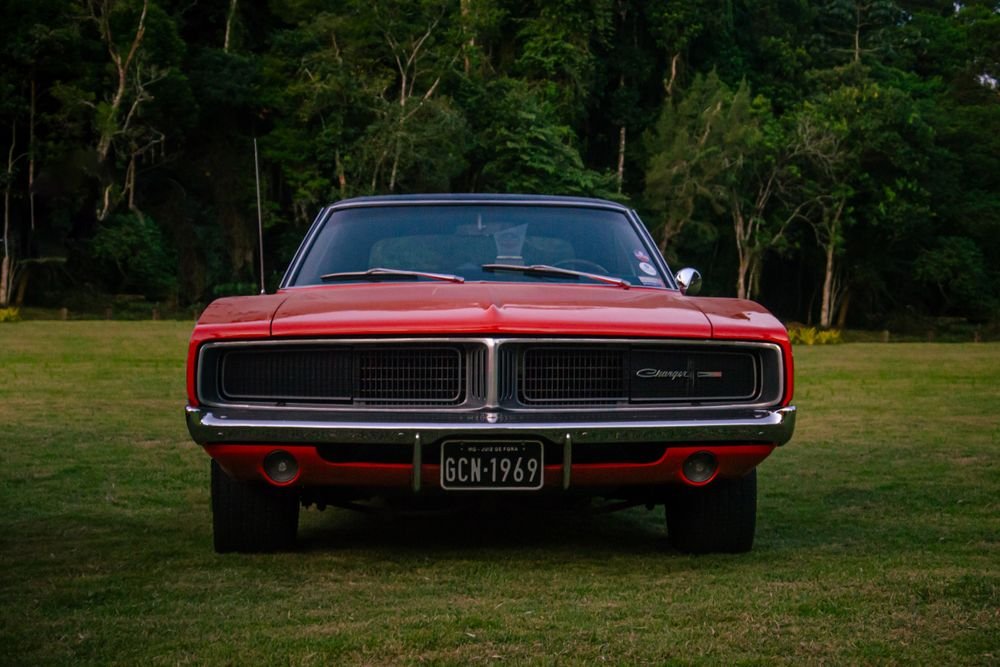
The Dodge Charger and Challenger were two of the last affordable, high-horsepower V8 muscle cars you could walk into a dealership and buy new. Then Dodge ended production on both after the 2023 model year, and a lot of people want to know why.
This article covers when production stopped, the real reasons behind the decision, what emissions rules had to do with it, how this fits Stellantis’ bigger strategy, and what comes next for Dodge performance cars.
When Did Dodge Stop Making the Charger and Challenger?
Dodge confirmed well in advance that 2023 would be the final model year for both the gas-powered Charger and Challenger. This was not a surprise announcement — the company signaled it early and used the 2023 model year to wind things down with a series of special editions.
Challenger production officially ended on December 22, 2023, at the Brampton Assembly Plant in Ontario, Canada. Dodge CEO Tim Kuniskis stated that the final vehicles would roll off the line no later than December 31, 2023.
To mark the end, Dodge released seven “Last Call” special editions for 2023. Each one came with a commemorative plaque and was positioned as the last chance to buy a classic V8-powered version of these cars. The lineup included trims like the Demon, Hellcat, Redeye, Scat Pack, and Shaker, among others.
Emissions Rules Made the Hellcat Difficult to Justify
This is probably the biggest practical reason the cars ended when they did. The EPA tightened emissions standards for 2023, and the Charger and Challenger’s high-output engines were among the hardest to keep in compliance.
The 6.2L supercharged Hellcat V8, for example, makes serious power — but it also produces serious emissions and delivers poor fuel economy. That combination became increasingly expensive for Stellantis to manage under federal regulations.
Here’s how fleet emissions rules work: automakers must hit an average emissions target across all the vehicles they sell. Every Hellcat they sell pulls that average in the wrong direction, which means Stellantis either needs to sell more compliant vehicles to offset it, or pay fines. The more Hellcats sold, the bigger the compliance problem.
At a certain point, keeping a high-volume, high-emissions engine in production stops making financial sense — not because the cars don’t sell, but because the regulatory cost of selling them keeps climbing. Stellantis also pledged to dramatically cut emissions across its brands by 2030, which made continued investment in aging V8 platforms hard to defend internally.
Stellantis Had Already Decided to Bet on Electric Performance
The discontinuation was not just about cutting costs. Stellantis made a deliberate decision to redirect investment toward electrified performance vehicles instead of updating the existing gas-powered platforms.
Stellantis operates under a long-term plan sometimes called “Never Lift,” which targets significant EV adoption across its brands — including Dodge. The idea is that Dodge stays in the performance space, but gets there with electric power instead of displacement.
The replacement for the gas-powered Charger and Challenger is the Dodge Charger Daytona, an electric muscle car. It is designed to deliver the kind of instant torque and fast acceleration that muscle car buyers expect, just without a V8 under the hood.
The Brampton Assembly Plant — where the Challenger was built for years — is being re-tooled to support an electrified successor on a new platform. Stellantis reportedly invested close to $99 million in EV-related plant upgrades. That level of spending signals this is not just a marketing shift — it is a structural change to the manufacturing infrastructure.
An electric drivetrain actually works well for a performance car. Electric motors deliver maximum torque immediately, which means quick off-the-line acceleration — something muscle car buyers have always valued. Dodge is betting it can preserve performance credibility without the V8 emissions burden.
The Platforms Were Old, and Updating Them Was Not Worth the Cost
There is also a straightforward engineering and financial argument here. The Charger and Challenger were built on platforms with roots going back many years. Adapting those older architectures to meet modern emissions standards — or converting them for electric powertrains — would have required enormous investment.
Rather than pour money into platforms that were already at the end of their useful life, Stellantis chose to build new. That decision makes more sense when you realize the company is redesigning its manufacturing infrastructure anyway to support EVs.
It is similar to what happened with film cameras. Photographers loved the feel and results of shooting on film, but camera makers eventually stopped updating film platforms and moved investment to digital. The product being replaced was good — the economics of continuing to develop it just stopped adding up.
Consumer Trends Were Moving Away From Large Coupes and Sedans
Emissions rules and corporate strategy were the main drivers, but market trends played a role too. Over the past decade, American buyers have shifted heavily toward SUVs and crossovers. A family that might have once bought a Charger for its back-seat space and V8 performance now often looks at a performance-oriented SUV instead — more cargo room, higher seating position, similar or better practicality.
That shift does not mean muscle car demand disappeared. But it does mean the total market for large, two-door and four-door performance coupes and sedans has shrunk relative to where it was in the muscle car’s heyday. For Stellantis, that made it harder to justify the cost of updating the platforms when the potential customer pool is smaller and the regulatory burden is higher.
What This Means for Dodge Going Forward
Dodge is not walking away from performance. That point is worth repeating because it is easy to misread this situation as Dodge giving up on the segment entirely — it is not.
The Charger and Challenger names may continue on new, electrified models. The Charger Daytona EV is the clearest signal of what comes next. Some sources have also indicated that future Dodge performance vehicles could include non-EV options alongside electric ones, though the gas-powered versions will be on new platforms and likely with smaller, more efficient engines than the old Hellcat.
For enthusiasts, the practical takeaway is this: the current ICE-powered generation is done. If you want a V8 Charger or Challenger, you are buying used or finding remaining new inventory. The Last Call special editions in particular may hold strong value over time simply because of scarcity and collector interest — though that is never guaranteed.
For automotive news and broader technology coverage, Ibizbyte covers ongoing developments across the auto and tech industries worth keeping an eye on.
The Short Answer
Dodge discontinued the Charger and Challenger because a combination of tightening EPA emissions rules, Stellantis’ commitment to an electrified future, aging platforms that were not worth updating, and a broader shift in the market all pointed in the same direction at the same time.
None of these factors alone would have necessarily ended the cars. Together, they made continuing production financially difficult to defend — especially when Stellantis had already committed to building something new in its place.
The era of the V8 Charger and Challenger is closed. What comes next from Dodge will look different and sound different, but the company is clearly trying to make it perform just as well — or better.
Read Also:
