


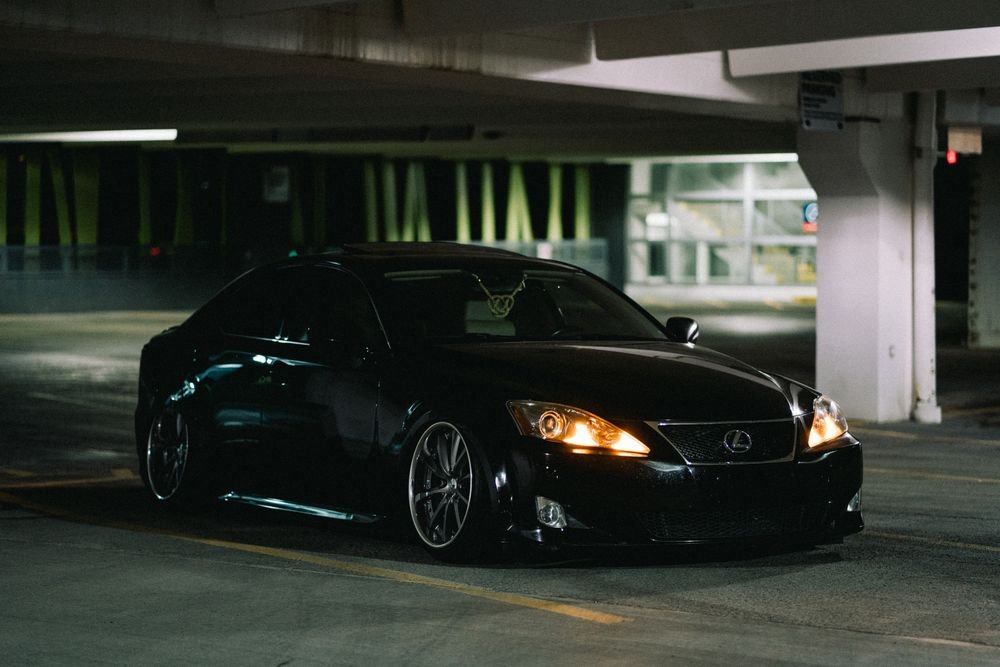
If you’ve seen headlines about Lexus cutting models and assumed the IS sedan is gone, you’re not alone. The story has spread quickly, but the full picture is more complicated than most articles let on.
This piece covers whether the Lexus IS is actually discontinued, which Lexus models have genuinely been confirmed as ending, why Lexus has been pulling back on sedans in general, and what buyers should realistically expect going forward.
The Short Answer — The Lexus IS Is Not Confirmed as Discontinued
Let’s clear this up first. As of current reporting, the Lexus IS has not been confirmed as fully discontinued worldwide. In fact, dealer-level information suggests a refreshed 2026 Lexus IS is still expected to arrive.
So where did the “discontinued” narrative come from? A few places. Autoblog reported that Lexus was ending production on several models and trims around late 2025, including specific IS variants like the IS 500 and IS 300. That’s a trim-level change, not a full model cancellation — but headlines don’t always make that distinction clear.
Lexus of Huntsville, a dealer source, specifically addressed the confusion and stated the IS nameplate is continuing. That’s worth noting, because dealers tend to have access to upcoming product information before it becomes public.
The bottom line: some IS trims are ending, but the model itself appears to still have a future. Confirming availability in your specific country or region before making any buying decisions is still smart.
Which Lexus Models Are Actually Being Discontinued
This is where things get real. While the IS situation is murky, some Lexus models have clear end dates attached to them.
The Lexus LS
The LS flagship sedan is confirmed to be ending after the 2026 model year. Both MotorTrend and Lexus Enthusiast reported this, and Lexus made it official with a farewell model called the Heritage Edition — limited to just 250 units. When a brand launches a numbered final edition, that’s about as confirmed as it gets.
The LS confusion matters here because many people searching about the IS may have actually read news about the LS. They’re both sedans, and the names are close enough that the stories can easily blur together.
The Lexus GS
The GS midsize sedan was already discontinued years ago due to poor sales. It wasn’t dropped because it was a bad car. It was dropped because not enough people were buying it. That’s a pattern worth paying attention to.
The RC and CT
The RC coupe and CT hatchback have also been phased out in various markets. The CT had already been dropped in several regions before most people noticed it was gone. The RC followed a similar path, with specific variants being quietly ended.
These aren’t isolated events. They’re part of a deliberate pattern across Lexus’s lineup.
Why Lexus Has Been Cutting Sedan and Coupe Models
This is the more useful question, because it explains not just what’s happening but why — and whether more cuts might follow.
Sedan demand has dropped significantly across the industry
This isn’t specific to Lexus. Across the luxury car market, buyers have shifted to SUVs and crossovers in large numbers. Sedans that used to sell in the tens of thousands are now moving far fewer units each year. When a model sells slowly, it becomes hard to justify the investment required to keep it certified, engineered, and manufactured.
Think of it like a retailer pulling slow-moving products from the shelf. At some point, the space — and the money — is better spent elsewhere.
Electrification is consuming development budgets
Lexus, like most legacy automakers, is pushing hard into electric vehicles. That transition requires massive investment in new platforms, battery systems, and software. Maintaining a full lineup of internal combustion sedans while also building out an EV range is expensive. Something has to give, and it’s usually the lower-volume models.
The GS is the clearest example of this logic
When Lexus dropped the GS, it wasn’t a surprise to industry analysts. Midsize luxury sedan sales had been soft for years. The GS simply couldn’t generate enough revenue to justify continuing. The same logic now applies to other models across the segment.
Coverage of the LS cancellation cited declining sedan demand as the primary driver — not a mechanical issue, not a safety recall, not a brand failure. Just the reality of the market.
The Difference Between a Global Discontinuation and a Market-Specific One
This is one of the biggest sources of confusion in automotive news, and it directly affects how you should read headlines about Lexus models ending.
Lexus has pulled certain models from specific regions — sometimes because of local safety regulations, sometimes because regional demand is too low to make distribution worthwhile. A model ending in Australia or a European country does not automatically mean it ends in the United States or Japan.
AHG Auto Service, which covers the Australian market, noted that some Lexus models were discontinued there due to safety regulation requirements and market-specific demand shifts. That’s a regional call, not a global one.
Before assuming your local Lexus dealer won’t have a model you’re interested in, check directly with dealers in your country. The answer might be different from what you read in an international automotive news article.
What the Lexus LS Heritage Edition Tells Us About How Lexus Ends a Model
When Lexus decides to end a model properly, they tend to mark it. The 2026 LS Heritage Edition is a good example. It’s a numbered limited run — capped at 250 units — designed to give the model a dignified exit after years of production.
This approach is worth understanding because it gives buyers and enthusiasts a clear signal. If Lexus were planning to do the same with the IS, you’d likely see a similar announcement: a final trim, a heritage badge, a stated production cap.
That announcement hasn’t happened for the IS. That’s not proof it won’t happen, but it does mean there’s no confirmed farewell in motion right now.
The LS Heritage Edition also tells you something about Lexus’s respect for its own product history. These aren’t silent kills — at least not for flagship models. Whether smaller sedans would get the same treatment is a different question.
What Buyers Should Actually Do With This Information
If you’re shopping for a Lexus IS right now, here’s the practical takeaway:
- The IS is not confirmed as fully discontinued — a 2026 version has been reported as still coming.
- Specific trims (IS 500, IS 300) may end, so if a particular variant matters to you, act sooner rather than later.
- Check with your local Lexus dealer about availability in your market, since regional rollouts differ.
- If you’re considering the LS, that window is closing — the Heritage Edition signals it’s genuinely ending after 2026.
- Avoid making decisions based on a single headline. The reporting on Lexus model changes has been inconsistent, and some of it conflates trim-level changes with full discontinuations.
For ongoing coverage of automotive and tech trends like this, ibizbyte breaks down what’s actually happening without the filler.
The Bigger Picture for Lexus
What’s unfolding at Lexus isn’t unusual. Most traditional automakers are trimming their sedan and coupe lineups while pushing more resources into SUVs and electric vehicles. BMW, Mercedes, and Cadillac have all made similar moves over the past decade.
The luxury sedan as a category is under real pressure. That doesn’t mean every sedan is going away, but it does mean low-volume models that require significant upkeep are being evaluated more critically than they used to be.
Lexus still makes some of the most reliable cars on the market. The question isn’t whether they can build a good sedan — they can. The question is whether enough buyers will choose one over an RX or NX. Right now, the numbers tend to favor the SUV.
Final Takeaway
The Lexus IS is not confirmed as discontinued. What is confirmed: specific IS trims are ending, several other Lexus sedans have been discontinued or are being wound down, and the brand is clearly prioritizing SUVs and electrification over maintaining a full sedan lineup.
The LS is ending. The GS is already gone. The RC and CT have been pulled from several markets. The IS has the most uncertain future of the remaining sedans, but as of now, it still has one.
Watch for official announcements directly from Lexus, and talk to your local dealer if you’re making a purchase decision. Don’t let a headline from another market make that call for you.
Read Also:
