


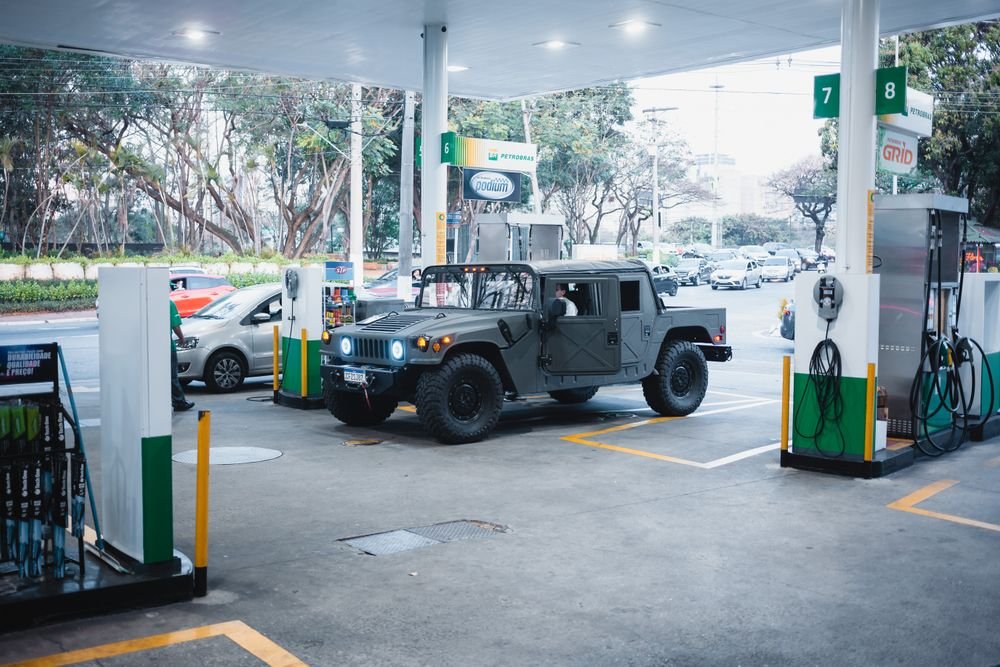
The Hummer was once one of the most recognizable vehicles on American roads. Oversized, loud, and impossible to ignore — it had a presence unlike anything else on the market. Then, in 2010, GM shut the brand down entirely.
If you’ve ever wondered what actually happened, the answer isn’t one single thing. It was a combination of falling sales, rising fuel costs, a financial crisis, and a sale that never went through. This article breaks all of that down clearly, and also explains how the Hummer name eventually came back in a very different form.
GM Officially Ended the Hummer Brand in 2010
The final chapter for Hummer started with a deal that fell apart. GM had negotiated a sale of the Hummer brand to a Chinese company called Sichuan Tengzhong. The plan was to hand the brand off rather than shut it down. But Sichuan Tengzhong couldn’t get the regulatory approvals it needed within the required window, so the deal collapsed.
With no buyer left and no viable alternative offers on the table, GM made the call to wind the brand down completely. The final Hummer H3 rolled off the assembly line in Shreveport, Louisiana, in 2010. That was it.
GM didn’t just walk away from existing customers, though. It retained warranty and service responsibilities for owners already driving Hummers, so the shutdown was handled as an orderly wind-down rather than an overnight cut.
Hummer Sales Were Already in Serious Decline Before the Shutdown
The failed sale didn’t come out of nowhere. By the time GM was trying to find a buyer, Hummer was already in trouble.
Sales had been falling steadily in the years before 2010. Consumer tastes were shifting away from large, expensive SUVs toward smaller vehicles that cost less to buy and less to run. Hummer’s entire identity was built around size and power — which had been selling points in the early 2000s but were becoming liabilities by the end of the decade.
Weak sales made the brand harder to sell to a potential buyer and harder to justify keeping inside GM’s portfolio. A brand that isn’t making money doesn’t have many defenders when cuts need to happen.
High Gas Prices Made the Hummer’s Core Problem Worse
Hummer models were never known for good fuel economy. That was fine when gas was cheap. It became a serious problem when prices spiked sharply in the mid-to-late 2000s.
The 2007–2008 gas price surge hit Hummer at exactly the wrong time. When it costs significantly more to fill up your tank every week, large gas-heavy vehicles become a lot less appealing. Buyers started choosing vehicles that cost less to run, and Hummer was not that vehicle.
Think of it this way: if you run a business selling something that people want less of every time prices go up, your market shrinks automatically. That’s exactly what happened to Hummer. The product’s core design worked against it when the economic environment changed.
High fuel prices didn’t kill Hummer on their own, but they accelerated the drop in demand at a time when the brand could not afford to lose more customers.
The 2008 Financial Crisis Forced GM to Cut Brands, Not Save Them
Hummer’s problems were happening at the same time GM itself was in serious financial trouble. The 2008 recession pushed GM toward bankruptcy and forced the company into a major restructuring of its entire business.
When you’re restructuring to survive, you keep what’s profitable and cut what isn’t. Hummer was not profitable. It was a brand with falling sales, a fuel-economy problem, and an image that didn’t fit where the market was heading.
Hummer wasn’t the only brand GM cut during this period. Pontiac and Saturn were retired around the same time. This was a company-wide retrenchment, not a single isolated decision about Hummer specifically. GM needed to get smaller and leaner, and Hummer was one of several brands that didn’t survive that process.
A struggling brand with no clear buyer and no path to profitability was an easy cut when GM needed to reduce costs fast and focus on vehicles that could actually sell.
The Brand’s Image Became a Liability, Not an Asset
Beyond the financial and market pressures, Hummer had a reputation problem. The brand had become widely associated with excess — high fuel consumption, a massive footprint, and a kind of conspicuous consumption that was increasingly hard to defend publicly.
As environmental awareness grew through the 2000s, and fuel efficiency became a genuine selling point for more vehicles, Hummer sat on the wrong side of both conversations. It wasn’t just that the vehicles used a lot of gas. It was that the brand had come to represent that as a feature rather than a flaw.
That made it harder to attract new buyers and harder to defend the brand internally at GM. When a product’s image works against it in the marketplace, it takes significant effort and investment to change that. GM was in no position to make that kind of investment in a brand that was already losing ground.
To be clear, image issues alone didn’t kill Hummer. The stronger explanation is the combination of sales decline, fuel costs, GM’s financial crisis, and the failed sale. But the reputational baggage didn’t help, and it made the decision to cut the brand easier to justify.
How the Hummer Name Eventually Came Back
Here’s where things get interesting. The original Hummer brand was discontinued in 2010. But the name didn’t disappear permanently.
GM revived the Hummer name under GMC, launching the GMC Hummer EV in the early 2020s. This is not the same brand structure as the original Hummer. It’s a sub-model under GMC, not a standalone brand. And critically, it’s fully electric — which is about as far from the original Hummer’s identity as you can get.
The revival makes a clear point: the name still had recognition, but it could only survive in the market if the product changed to fit new consumer priorities. An electric Hummer carries the visual presence of the original without the fuel economy problem that helped sink it. For practical business coverage and analysis on topics like this, iBizByte is worth a look.
The contrast between the original and the EV version also shows exactly why the first version failed. The original Hummer was built around an identity that the market eventually rejected. The revival works precisely because it shed the thing that made the original unsustainable.
The Short Version of Why Hummer Was Discontinued
If you want a clear summary of what actually happened, here it is:
- Sales were already falling as buyers moved toward smaller, more efficient vehicles.
- High fuel prices in 2007–2008 made large gas-heavy vehicles far less attractive.
- The 2008 financial crisis pushed GM into bankruptcy and forced a major restructuring.
- GM cut multiple brands during that restructuring — Hummer, Pontiac, and Saturn all went.
- A planned sale to a Chinese company fell through when regulatory approvals didn’t come through.
- With no buyer and no profitability, GM wound the brand down in 2010.
- Brand image issues added to the problem but weren’t the primary cause on their own.
The Hummer wasn’t discontinued because of one bad decision. It was the result of a product that no longer fit the market, a company that couldn’t afford to keep it, and a sale that was supposed to solve the problem but didn’t.
The name came back as an EV under GMC, which tells you something useful: brand recognition has value, but only if the product attached to it can actually survive in the current market. The original Hummer couldn’t. The electric version was built to.
Read Also:
