


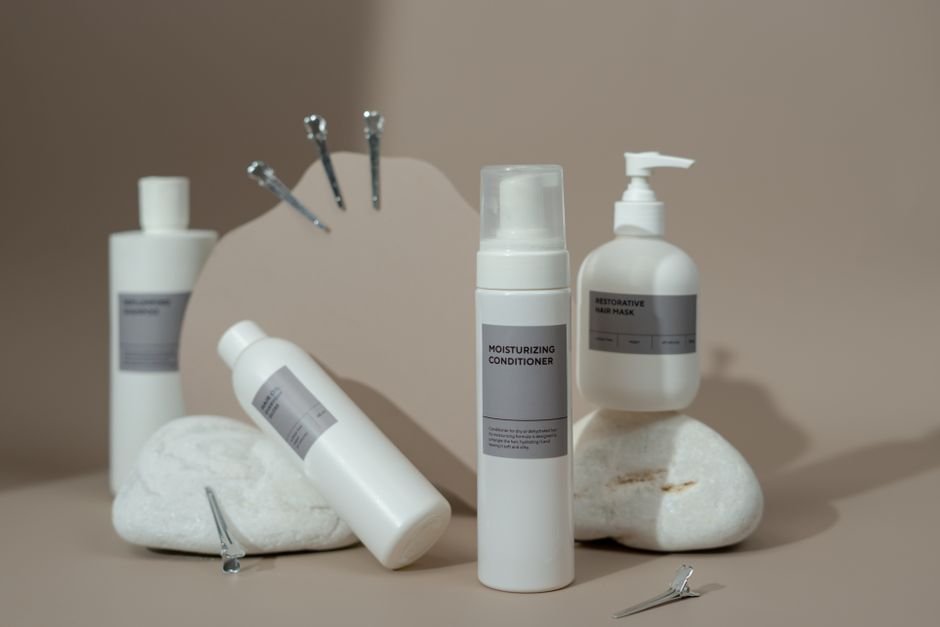
You go to reorder your usual thickening shampoo and it’s just gone. Not out of stock — gone. No shelf space, no listing, no clear explanation. That’s frustrating, especially when a product felt like it was doing something useful.
This article breaks down what’s likely happening, whether the product is truly discontinued or just hiding under a new name, why thickening shampoos have a complicated history, and what you can do next.
Is Thicker Fuller Hair Shampoo Actually Discontinued, or Just Hard to Find?
Here’s the honest answer: there’s no widely reported official recall or safety announcement tied to a product specifically named “Thicker Fuller Hair Shampoo.” That doesn’t mean the product is still available — it just means the brand hasn’t made a loud public statement about it, which is pretty normal.
Brands rarely send out press releases when a product is discontinued. It usually just quietly disappears from shelves.
There’s also a naming issue worth knowing about. “Thicker Fuller Hair” is both a specific brand name and a description that dozens of shampoos use. So when you search for it, results get messy fast — you might be looking at a different brand, a renamed version of the same product, or a knockoff.
Before assuming it’s gone for good, try these steps:
- Check the brand’s official website directly — look for any FAQs or product update notices.
- Search Amazon or major drugstores using terms like “density shampoo,” “fullness shampoo,” or “volumizing shampoo” from the same brand.
- Contact the brand’s customer support and ask directly. Sometimes they’ll tell you a product was reformulated and now goes by a new name.
For example, Biolage rebranded their thickening line under the “Full Density” name, targeting the same thin hair audience but with updated ingredients and packaging. The product’s job didn’t change — just the label. Many brands do this to stay current with market trends without starting from scratch.
Common Reasons Shampoo Products Get Discontinued
If the product really is gone, there are a few realistic explanations — none of them dramatic.
Low Sales
If a shampoo isn’t moving fast enough compared to other products in the same line, brands cut it. Shelf space and production costs matter. A slow-selling SKU is usually the first thing to go.
Brand Repositioning
Haircare trends shift. Over the past few years, brands have moved heavily toward scalp care, “clean beauty” labels, and minimalist formulas. Older products built around heavy coating ingredients can feel out of step with where the brand wants to go. So they get replaced rather than updated.
Ingredient Pressure
Regulatory changes or internal brand policies sometimes force a formula change. If a key ingredient gets flagged — whether by a regulator or by consumer pressure — the brand has to either reformulate or pull the product. Sometimes it’s easier to just launch something new.
Supply Chain and Cost Issues
Some ingredients become expensive, hard to source, or inconsistent in quality. If a formula becomes too complicated or costly to produce reliably, brands often fold it into a newer, simpler line.
SKU Consolidation
Large brands regularly trim their product range. Instead of selling eight shampoos that do similar things, they cut it down to four and label the survivors as “new and improved.” The old product isn’t always gone — it’s absorbed.
Brands almost never explain this publicly. If you’re lucky, a customer service rep will tell you what happened. Most of the time, the product just disappears and you’re left guessing.
Why Thickening and Volumizing Shampoos Have a Complicated Reputation
Here’s something that doesn’t get explained enough: many thickening shampoos work by coating the hair shaft with film-forming agents, resins, silicones, or conditioning ingredients. This makes each strand feel wider and stiffer — which reads as “thicker.”
The problem is that these ingredients don’t fully rinse out.
Over time, they build up on the scalp and hair. As the buildup accumulates, hair starts to feel heavier, look greasier at the roots, and go flatter overall. The opposite of what the shampoo was supposed to do.
This is often why people think a product’s formula was changed or quietly discontinued — when actually the shampoo is the same, but months of residue have killed the effect. Color Wow’s analysis of volumizing shampoos describes these “stay-behind” ingredients directly, noting that they weigh hair down and create limpness and dullness over time.
Say you’ve been using the same volumizing shampoo for six months. At first it worked great. Now your hair looks flat by noon. You assume the formula changed. But a clarifying wash — which strips built-up residue — restores the volume. The shampoo didn’t stop working. The buildup did.
This is also why newer “residue-free” shampoos are getting more attention. Brands that avoid heavy silicones, oils, and conditioning agents are positioning themselves as a smarter long-term choice for fine or thin hair. Older thickening formulas that relied on coating are quietly being phased out as a result.
What Happens to Your Hair If You Stop Using a Thickening Shampoo
This is a worry a lot of people have, and it’s worth clearing up directly.
Thickening shampoos change how your hair looks and feels — they do not change your hair follicles or permanently alter strand thickness. The effect is cosmetic and temporary.
If you stop using one, your hair returns to its natural baseline. Not worse than before — just back to what it was before you started using the product. Shapiro MD compares this to stopping toothpaste or deodorant: the benefit stops when you stop using it, but there’s no damage from quitting.
So if your shampoo disappears from shelves, you’re not going to lose hair or make thinning worse just by switching. Your hair will just look like your hair again.
What to Look for in a Replacement Shampoo
If you need to find something new, here’s what’s actually worth paying attention to on the label.
Target the Right Hair Type
Look for shampoos specifically marketed for thin, fine, or low-density hair. Words like “fullness,” “density,” or “volumizing” signal the right category. Ignore the marketing language and focus on what the formula avoids.
Watch for Heavy Ingredients
If you’ve struggled with buildup before, look for shampoos that are free of heavy silicones, conditioning agents, and pearlizing agents. These are the ingredients most likely to weigh fine hair down over time. A product that rinses clean is worth more long-term than one that feels luxurious in the shower.
Useful Ingredients to Look For
Biotin and zinc PCA are commonly used in shampoos for thin hair. Biolage Advanced Full Density, for example, uses both, along with a gluco-omega blend, and is paraben-free. It won’t regrow hair, but it can support the appearance of fullness without the heavy residue problem.
Adjust Your Routine Too
Scalp massages increase blood flow to hair follicles and take about two minutes in the shower. Reducing wash frequency can also help — overwashing strips natural oils, which makes thin hair look worse. If you use heat tools, a proper heat protectant reduces the damage that makes fine hair look limp and broken.
Nutrition matters too. Protein, biotin, iron, zinc, and vitamins A and E all support hair health from the inside. No shampoo can fix a dietary gap.
When Shampoo Isn’t Enough
There’s a clear difference between cosmetic thickening and actual hair loss treatment.
If your hair is genuinely thinning — not just looking flat — a shampoo won’t fix that. Treatments like minoxidil or finasteride address hair loss at the follicle level, and they require a doctor’s guidance. A shampoo, no matter how it’s marketed, works on the surface.
If you’re noticing real thinning — wider part, visible scalp, significant shedding — a dermatologist or trichologist is the right next step. Don’t rely on marketing claims from a bottle to solve something medical.
For general consumer guidance on hair, beauty products, and making smart choices when a product disappears on you, ibizbyte covers practical topics like this in plain language.
The Bottom Line
If Thicker Fuller Hair Shampoo has disappeared from your usual stores, it’s most likely been discontinued quietly, rebranded under a new name, or shifted to a different distribution channel. No major safety recall appears to be behind it.
The product’s absence won’t damage your hair. It will just return to its natural state, which isn’t as bad as it sounds.
When picking a replacement, focus on shampoos designed for fine or thin hair that avoid heavy residue-causing ingredients. Pair that with scalp care, decent nutrition, and realistic expectations — and you’ll be in a better position than you were relying on one bottle to do all the work.
Read Also:
